
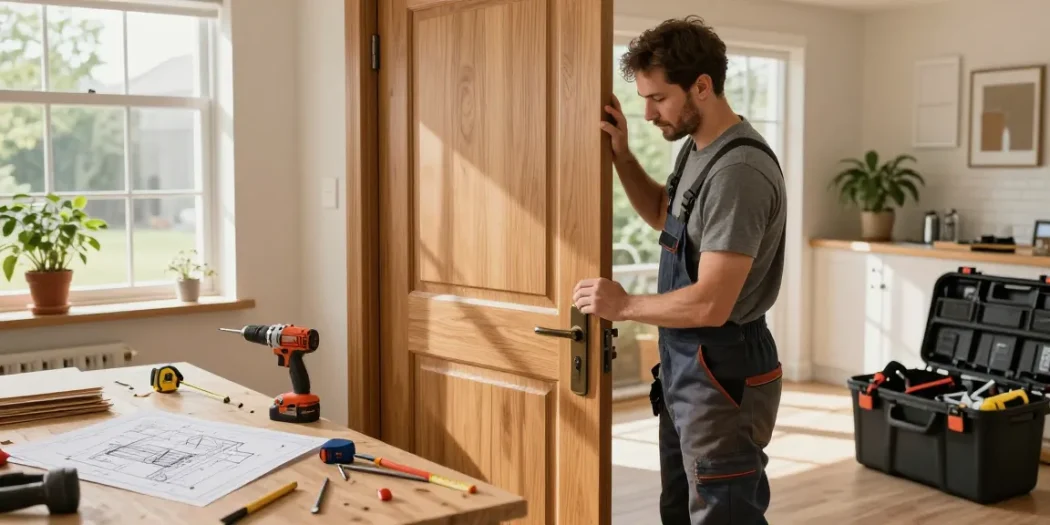
Understanding the Importance of Door Selection
The entry door of your home serves not only as a barrier against the elements but also as a primary component of your home’s aesthetic appeal and security. Choosing the right door requires careful consideration of various factors, including material, design, and functionality. When exploring options, abacasdoors.co.uk provides comprehensive insights to help you make informed decisions that will enhance your property’s value and safety.
Why Your Entry Door Matters
Your front door is the first impression visitors will have of your home. A well-chosen door can elevate your home’s curb appeal, showcase your style, and even affect your property’s overall value. Beyond aesthetics, entry doors play a crucial role in energy efficiency and security. A high-quality door can reduce heat loss and deter unwanted intruders, making it a significant investment for any homeowner.
Common Misconceptions About Door Materials
There are several misconceptions surrounding the materials used for doors. For example, many believe that wooden doors are always the best option due to their traditional appeal, but they can require more maintenance than fiberglass or steel doors. It’s essential to assess the pros and cons of various materials, including their durability, insulation properties, and maintenance requirements before making a decision.
How Door Design Impacts Home Value
The design of your entry door can significantly impact your home’s marketability and value. Features such as the door style, color, and decorative elements contribute to the overall aesthetic. Additionally, a modern door design can set your home apart from others in the neighborhood. Investing in an attractive, functional door can provide a substantial return on investment when it comes time to sell.
Choosing the Right Style for Your Home
Selecting the right door style is crucial to maintaining the architectural integrity of your home. Whether you reside in a contemporary flat or a classic Victorian, the door you choose should harmonize with your property’s design narrative.
Popular Door Styles in 2026
The door styles trending in 2026 reflect a blend of functionality and aesthetics. Notable trends include minimalist designs with clean lines, eco-friendly materials, and smart technology integration. For instance, sleek glass doors are popular for modern homes, providing natural light while maintaining security. In contrast, traditional panel doors remain a favorite among homeowners desiring a classic appearance.
How to Match Doors to Your Home’s Architecture
When selecting a door, consider the architectural style of your home. For example, a craftsman home may suit a solid wood door with decorative panels, while a modern home may look best with a sleek, metal-framed door. Ensure that the door’s color complements your exterior’s palette and that its design reflects the overall theme of your property.
Custom vs. Prefabricated Doors: What’s Best?
Choosing between custom and prefabricated doors involves considering budget, design preferences, and installation timelines. Custom doors offer unique design opportunities tailored to your specifications, while prefabricated doors tend to be more affordable and quicker to install. Assess your needs and consult with a professional to find the best option for your situation.
Installation Best Practices
Proper installation of your entry door is vital for optimal performance and longevity. Inadequate installation can lead to issues such as drafts, water leakage, and reduced security.
Preparing Your Entrance for New Doors
Before installation, ensure that the entrance is clear of any obstructions. Measure the door frame accurately to avoid sizing issues and check for structural integrity. Make any necessary repairs to the frame or surrounding areas to ensure a proper fit.
Tools and Equipment Needed for Installation
Having the right tools is essential for a successful door installation. Basic tools include a level, tape measure, screwdriver, hammer, and shims. Depending on the type of door you choose, you may also need a drill and additional hardware. Familiarize yourself with the specific installation requirements of your chosen door.
Step-by-Step Guide to Installing a Door
- Remove the old door and hinges carefully.
- Prepare the door frame by cleaning it and checking for level.
- Insert shims into the frame as necessary for an even fit.
- Position the new door into the frame and attach it with hinges.
- Check for gaps and adjust as needed to ensure a tight seal.
- Install any additional hardware, such as locks and handles.
- Test the door for smooth operation and adjust if necessary.
Maintenance Tips to Ensure Longevity
Regular maintenance of your doors ensures they stay functional and attractive over time. Neglect can lead to costly repairs and replacements down the line.
Cleaning and Care for Different Door Materials
The cleaning and care process will vary depending on the material of your door. For wooden doors, regular polishing and sealing can help prevent moisture damage. Meanwhile, fiberglass doors benefit from occasional washing with soap and water to maintain their gloss and integrity.
Common Issues and How to Fix Them
Over time, doors can encounter problems such as sticky hinges, drafty gaps, or misalignment. To fix sticky hinges, simply lubricate them with a suitable lubricant. If you notice drafts, inspecting and replacing weatherstripping may solve the issue. For misalignment, adjusting the hinges or using shims can help realign the door.
When to Consider Professional Help for Repairs
While many door maintenance tasks can be done by homeowners, certain issues require professional assistance. If you encounter structural damage, significant misalignment, or problems with door hardware, consulting a professional is advisable to ensure a thorough and safe repair.
Future Trends in Door Design and Technology
The door industry is evolving, driven by technological advancements and changing consumer preferences. Being aware of these trends can help you choose a door that not only meets your current needs but is also future-proofed for years to come.
Smart Door Technology for Enhanced Security
Smart technology is becoming increasingly integrated into door designs, offering features such as keyless entry, remote locking, and video surveillance systems. These enhancements provide homeowners with added security and convenience, allowing them to monitor their entries remotely.
Sustainable Materials in Modern Door Manufacturing
With a growing emphasis on sustainability, many manufacturers are now utilizing eco-friendly materials for door production. Recycled wood, bamboo, and other sustainable materials are gaining popularity, appealing to environmentally conscious consumers looking to minimize their carbon footprint.
Predictions for Door Aesthetics in 2026 and Beyond
In the coming years, we can expect door aesthetics to become even more innovative. Curved doors, intricate designs, and multi-functional features are likely to dominate the market. Homeowners will increasingly favor doors that seamlessly blend style, functionality, and energy efficiency.
What are the best materials for entry doors?
The best materials for entry doors include fiberglass, steel, and wood. Each has its pros and cons, with fiberglass being known for its durability and energy efficiency, while wood offers a classic aesthetic. Steel doors are also excellent for security but can be less energy-efficient unless insulated properly.
How can new doors improve my home’s energy efficiency?
New doors can significantly enhance your home’s energy efficiency by utilizing improved insulation techniques, airtight seals, and energy-efficient glazing options. Upgrading to a modern door can minimize heat loss during colder months and reduce cooling costs in the summer.
What should I consider when measuring for a new door?
When measuring for a new door, consider the width, height, and depth of the door frame. Additionally, pay attention to any architectural features that might influence the size or style of the door. It’s recommended to measure at least twice for accuracy and to account for any unevenness in the frame.
How often should I maintain my doors?
Regular maintenance is crucial, ideally performed twice a year. This can include cleaning, lubricating hinges, and inspecting for damage. If you live in a region with extreme weather conditions, more frequent inspections may be necessary.
What are the latest trends in door design?
Current trends in door design include the use of natural materials, bold colors, and unique shapes. Additionally, there’s a rise in demand for doors that incorporate smart technology, providing added security and convenience.