
Understanding Screenshot Software
In today’s fast-paced digital landscape, having efficient screenshot software is a necessity for professionals in various fields. Whether you’re a developer looking to document code execution, a designer sharing design drafts, or an educator creating instructional materials, the right screenshot tool can significantly enhance your workflow. Screenshot software, or 截图软件, is designed to capture, annotate, and share visual information seamlessly, making communication and collaboration more effective.
What is 截图软件?
Screenshot software encompasses programs and applications that enable users to capture images of their computer screens. These tools can capture the entire screen, individual windows, or custom-selected areas. Besides capturing images, most modern screenshot software also offers features like annotation, editing, and sharing capabilities.
Importance of Screenshot Software in Modern Workflows
As remote work and digital collaboration become increasingly prevalent, the importance of screenshot software cannot be overstated. It facilitates visual communication, making it easier for teams to collaborate across different locations and time zones. For instance, designers can quickly share visual concepts, developers can provide instant feedback on code execution, and marketers can illustrate campaign results through visual data representations.
Key Features of Efficient Screenshot Software
- Annotation Tools: The ability to draw, highlight, and add text can enhance clarity and understanding.
- OCR Capabilities: Opting for software that features Optical Character Recognition allows users to extract text from images, boosting productivity.
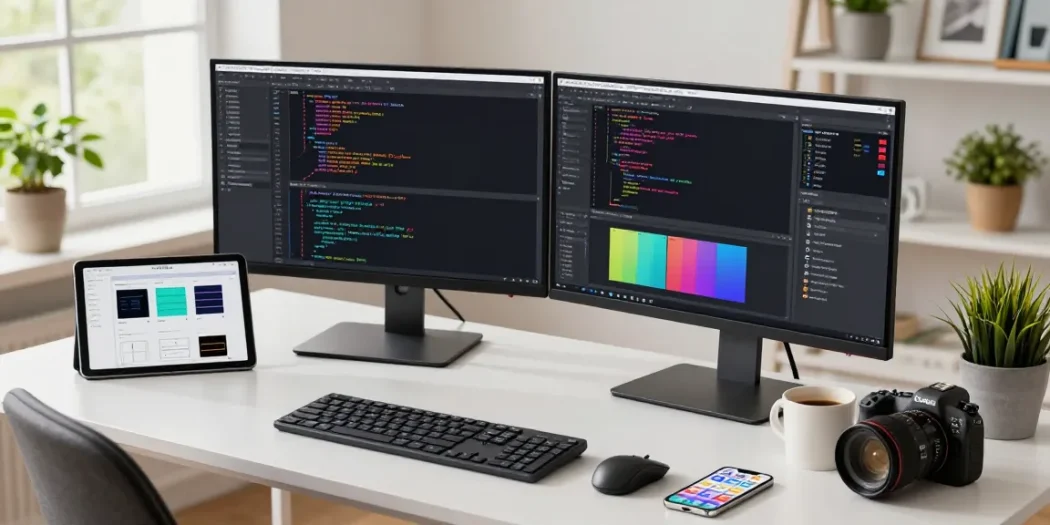
- Multi-Screen Support: With many professionals using multiple monitors, selecting a tool that supports seamless multi-screen screenshot capabilities is vital.
- Cloud Integration: Features like direct cloud uploads simplify the sharing process and improve accessibility.
- User-Friendly Interface: A straightforward, intuitive interface is critical for ensuring that all team members can leverage the software effectively.
Choosing the Right 截图软件 for Your Needs
When selecting screenshot software, it’s essential to consider factors that will directly influence your productivity and efficiency. Different tools offer varying functionalities, and identifying the right one can save you time and enhance your collaborative efforts.
Factors to Consider When Selecting Screenshot Software
- Compatibility: Ensure the software is compatible with your operating system, whether Windows, macOS, or Linux.
- Features: List down the core features you need—such as annotation tools, OCR, or cloud sharing—and compare them across options.
- Pricing Structure: Determine if a free version suffices for your needs or if the advanced features in a premium version justify the cost.
- User Reviews: Look into user feedback and testimonials to gauge reliability and performance.
Comparison of Popular 截图软件 Options
Several screenshot software options dominate the market, each with unique features. Popular choices include Snipaste, Lightshot, and Greenshot. Snipaste stands out with its unique floating window feature, allowing users to pin captured images directly on their screens for easy reference.
Identifying Your Specific Usage Scenarios
Understanding your specific needs will help you make an informed decision. For instance, a graphic designer may prioritize color pickers and advanced annotation tools, while a developer might lean towards software that allows for easy code snippet captures and sharing features.
Advanced Techniques for Using 截图软件
Once you’ve chosen the right screenshot software, mastering its advanced features can greatly enhance its utility. Here are some tips for maximizing efficiency with your chosen tool.
Utilizing Annotation Tools Effectively
Annotation tools can significantly add value to your screenshots. Use arrows and text comments to clarify points of interest in your captures. For example, designers can highlight specific aspects of their work for feedback, while educators can annotate key concepts in instructional materials.
Integrating OCR Capabilities for Enhanced Productivity
With Optical Character Recognition, you can convert captured text into editable formats. This feature is particularly useful for researchers or students who frequently need to quote information from various sources. By integrating OCR technology, you ensure that your workflow remains seamless and efficient.
How to Optimize Multi-Screen Workflows
For professionals using multiple monitors, optimizing your workflow involves utilizing screenshot software that supports capturing across all screens seamlessly. This capability not only increases efficiency but also ensures no essential information is lost in the process.
Future Trends in 截图软件 for 2026
As technology evolves, so do the features and functionalities of screenshot software. Keeping an eye on upcoming trends can help you stay ahead of the curve.
The Rise of AI in Screenshot Software
Artificial Intelligence is set to transform how screenshot software operates, introducing features like automatic tagging and categorization of images. This could save users significant time, especially in environments with high volumes of visual documentation.
Expected Features in Next-Gen 截图软件
Future advancements may include more robust cloud features, enhanced security measures, and integration with other collaboration tools. Expect features that allow for real-time collaboration on screenshots, enabling teams to annotate and edit together.
How Cloud Integration Will Change the Landscape
As many companies move towards cloud-based solutions, integrating screenshot software with cloud services will become essential. This integration allows for easy access across devices and promotes collaborative work environments.
Common Challenges and Solutions with 截图软件
Despite their utility, users may encounter challenges when using screenshot software. Being aware of these challenges—and their solutions—can enhance your experience.
Addressing Privacy Concerns in Screen Capturing
Privacy is a critical concern when using screenshot software, especially in corporate environments. Ensure you’re using software with features that allow for secure sharing and data protection to maintain confidentiality.
Troubleshooting Common Screenshot Software Issues
Issues such as software crashes or failed captures can disrupt workflows. Regularly updating your software and checking for compatibility with operating systems can mitigate these challenges. Additionally, consulting the user community can provide quick solutions and tips.
Best Practices for Efficient Use of 截图软件
- Familiarize yourself with keyboard shortcuts to expedite your capturing process.
- Regularly organize and back up your screenshots to avoid clutter and loss of important visuals.
- Utilize the available advanced features like OCR and annotation tools to increase the value of your captures.
What are the core features to look for in 截图软件?
Key features include annotation tools, OCR capabilities, cloud integration, multi-screen support, and user-friendly interfaces. Each of these aspects contributes to a more effective and productive user experience.
Can 截图软件 help improve team collaboration?
Absolutely. By facilitating easy sharing and annotation of visual information, screenshot software enhances communication and collaboration among team members, making it easier to provide and receive feedback.
How does OCR functionality enhance 截图软件 usability?
OCR functionality allows users to extract text from images, making it easier to work with visual content. This feature is particularly beneficial for those who need to compile data from various sources without manually retyping text.
What future advancements should we expect in 截图软件?
Future advancements are likely to include improved AI integrations for smarter image handling, better collaboration tools, and enhanced security features to protect sensitive information.
Is 截图软件 suitable for both professional and personal use?
Yes, screenshot software is versatile enough to serve both professional and personal needs. Whether it’s for work presentations or sharing personal ideas, these tools can cater to a variety of scenarios.