
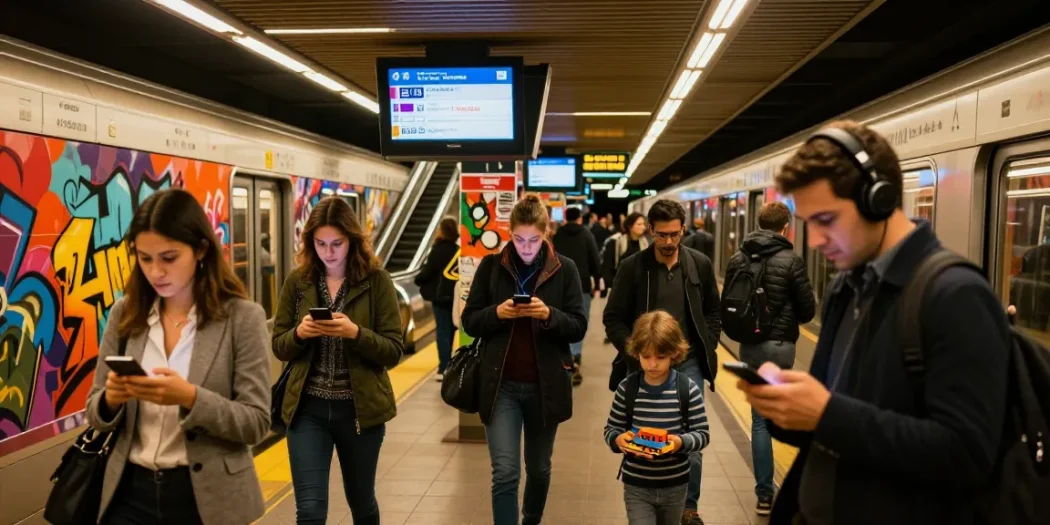
Understanding Live Subway Trackers
In an age where time is of the essence and urban transit systems are challenged with managing increasing passenger loads, live subway trackers have emerged as essential tools for commuters worldwide. These applications provide up-to-the-minute information on subway vehicle positions, estimated arrival times, and service alerts, fundamentally transforming the way individuals navigate urban transportation systems. By utilizing the latest in transit technology, these trackers not only enhance commuter convenience but also improve overall satisfaction with public transport services. When exploring options, a live subway tracker provides comprehensive insights that are crucial for effective route planning and timely travel.
What is a Live Subway Tracker?
A live subway tracker is a digital tool designed to provide real-time updates on subway operations. These trackers aggregate data regarding train locations, service statuses, and expected arrival times at various stations. Through mobile apps or web interfaces, users can access vital information that helps them make informed decisions about their travel plans.
Essentially, live subway trackers serve as a bridge between commuters and the transit systems, ensuring that users receive timely notifications that can influence their choice of routes and travel timing, thereby minimizing waiting times and optimizing their journey experience.
How Live Subway Trackers Work: GTFS-Realtime Explained
At the heart of live subway tracking lies the General Transit Feed Specification (GTFS) and its real-time counterpart, GTFS-Realtime (GTFS-RT). These standards allow transit agencies to publish their schedules and real-time operational data in a universally understandable format. This enables third-party applications, such as those providing live transit updates, to fetch, decode, and present this data efficiently.
- Data Retrieval: Live subway trackers pull data from transit agency feeds every 30 seconds. This includes trip updates, vehicle positions, and service alerts.
- Real-Time Processing: The fetched data is processed to create direction-aware arrival boards for each supported station, ensuring commuters have access to the latest information.
- Static vs. Dynamic Information: While real-time data reflects immediate conditions, static schedule data is updated daily to maintain accuracy.
This dual approach ensures that, even in the absence of real-time feeds, passengers can rely on accurate, timetable-based information. The system’s robustness lies in its foundation on official GTFS data provided directly from the transit authority, ensuring reliability and accuracy.
Benefits of Using Live Subway Trackers for Commuters
The advantages of live subway trackers extend beyond mere convenience. By utilizing these tools, commuters enjoy several key benefits, including improved efficiency, reduced anxiety associated with travel unpredictability, and overall enhanced public transport experiences.
- Time Savings: By knowing exactly when the next train will arrive, commuters can minimize their waiting time at stations.
- Informed Decision Making: With real-time updates on service disruptions and delays, passengers can make alternative plans, such as switching lines or modes of transport.
- Enhanced User Engagement: Many applications offer features like service alerts and notifications, encouraging user interaction and providing personalized experiences.
In summary, live subway trackers facilitate a smoother journey for passengers, making public transport a more reliable option for daily commutes and travel within urban areas.
Key Features of Effective Live Subway Trackers
Real-Time Updates and Accuracy
The backbone of any effective live subway tracker is its ability to provide real-time updates. Accuracy is paramount; hence, leading trackers continuously fetch data from transit agencies to reflect any changes in service. They utilize the GTFS-Realtime standard, which ensures that the information presented to users is current and reliable.
Moreover, accurate information not only enhances trust in the service but also contributes significantly to commuter safety and satisfaction. Passengers can feel confident knowing they are receiving timely updates about their travel options.
User-Friendly Interfaces and Accessibility
An intuitive user interface is crucial for the success of any digital application, including live subway trackers. Effective apps and websites prioritize ease of use, allowing passengers to access vital information quickly and efficiently.
- Responsive Design: Applications must be compatible with various devices, including smartphones, tablets, and desktop computers.
- Clear Navigation: Users should be able to choose their city, subway line, and relevant station without confusion.
- Accessible Features: Functions like voice commands and high-contrast modes can enhance usability for all individuals, including those with disabilities.
Integration with Other Transit Services
An outstanding feature of live subway trackers is their ability to integrate with other forms of public transit. Commuters often rely on multiple services, such as buses, trams, and light rail, to complete their journeys. Hence, live subway trackers that offer seamless integration with these services can enhance user experience significantly.
By providing comprehensive travel options, including multimodal routes and transfer recommendations, these trackers help remove barriers to efficient urban travel, creating a holistic approach to navigating city transit.
Challenges in Implementing Live Subway Trackers
Data Reliability and Source Issues
Despite the numerous benefits, implementing live subway trackers does come with challenges. One significant concern is data reliability. Inconsistent updates from transit agencies can create discrepancies in the information provided to commuters.
Stakeholders must work collaboratively with transit authorities to ensure that data feeds are stable and reliable, maintaining user trust in the technology.
User Experience and Technology Barriers
Another challenge is ensuring that users can effectively utilize these tracking tools. Despite advancements in technology, not all commuters may be tech-savvy or have access to smartphones.
This necessitates the need for transit authorities to offer alternative solutions, such as SMS alerts or printed schedules, ensuring that all passengers can benefit from real-time data.
Mitigating Miscommunication and Delay Notifications
Service disruptions can occur for various reasons, and effectively communicating these issues to commuters is essential. Misinformation and lack of timely updates can lead to frustration and confusion.
To combat this, transit authorities must establish robust communication protocols that ensure accurate and prompt notifications reach users whenever there are changes in service. Interactive features, such as feedback systems, can also provide invaluable insights into user experiences.
Future Trends for Live Subway Trackers in 2026
Advancements in Real-Time Tracking Technology
As technology continues to evolve, so do the capabilities of live subway trackers. Innovations in GPS technology, sensor networks, and data analytics are likely to further improve real-time tracking accuracy. Greater automation in data collection and processing will empower transit agencies to respond more quickly to emerging issues.
Additionally, enhanced visualization techniques will allow users to see not just arrival information but also relevant contextual data, such as the number of passengers onboard, ensuring informed decision-making.
Growing Importance of User Engagement and Feedback
User engagement will play a critical role in the future of live subway trackers. Applications are expected to incorporate more interactive features, such as crowd-sourced data and user reviews, to aid commuters in making informed choices. Feedback loops will also help transit agencies identify pain points and address service concerns proactively.
Integrating AI and Machine Learning for Predictive Analytics
A significant trend in the public transit space is the integration of artificial intelligence (AI) and machine learning into live subway trackers. These technologies can analyze vast amounts of historical and real-time data to predict service patterns, which can then inform operational improvements and enhance the user experience.
For instance, patterns in passenger flow can lead to adjusted service frequencies during peak times, ultimately improving overall system efficiency.
Conclusion and Key Takeaways
Summarizing the Impact of Live Subway Trackers
The advent of live subway trackers marks a significant shift in urban transit, offering enhanced communication, efficiency, and convenience for commuters. As these tools continue to evolve, their ability to integrate with broader transit systems and provide timely updates underscores their growing importance in modern urban transportation.
How Commuters Can Utilize These Tools
Commuters can leverage live subway trackers by becoming familiar with their features and functionalities. Whether through dedicated apps or websites, passengers can gain insights into routes, schedules, and potential disruptions, enabling them to make informed decisions on their journeys.
Looking Ahead: Enhancing Urban Transport Experiences
As urban populations grow and transit demands increase, the role of live subway trackers will only become more pivotal in enhancing public transportation systems. By prioritizing user needs and embracing technological advancements, transit authorities can ensure that these tools not only serve as navigation aids but also enhance the overall commuting experience.
What benefits does a live subway tracker offer?
Live subway trackers offer numerous benefits, including real-time updates, improved access to service information, and enhanced commuter satisfaction through reduced waiting times and informed decision-making.
How can I find the best live subway tracker for my city?
To find the best live subway tracker for your city, consider downloading apps or visiting websites that are recommended by your local transit authority, as they typically offer the most accurate and reliable data.
What challenges do subway systems face with real-time tracking?
Subway systems often face challenges such as inconsistent data reliability, user experience barriers, and the complexity of communicating service disruptions effectively to commuters.
How do live subway trackers improve commuter satisfaction?
Live subway trackers improve commuter satisfaction by providing timely and accurate arrival information, allowing for better planning and reducing the uncertainty associated with public transport.
What technological trends are shaping the future of subway tracking?
Key technological trends shaping the future of subway tracking include advancements in AI and machine learning for predictive analytics, enhanced user engagement features, and improved real-time tracking technology.